
Gratis · En tu dispositivo · Sin registro
PSL Rater: Rate Your Face on the PSL Scale
Upload a front-facing photo and your browser measures your face’s proportions in about a second, then gives a PSL harmony estimate on the 1–8 scale, with the method printed next to it. The measurement never leaves your device; the AI rating is one more click. Below, a plain explanation of what the PSL scale is, where it comes from and what it cannot tell you.
En el análisis gratis, tu foto se queda en tu dispositivo.
- puntos faciales
- 478
- puntos faciales
- fotos de referencia
- 1088
- fotos de referencia
- segundos de análisis, en tu dispositivo
- ~2
- segundos de análisis, en tu dispositivo
- garantía de reembolso
- 7 días
- garantía de reembolso
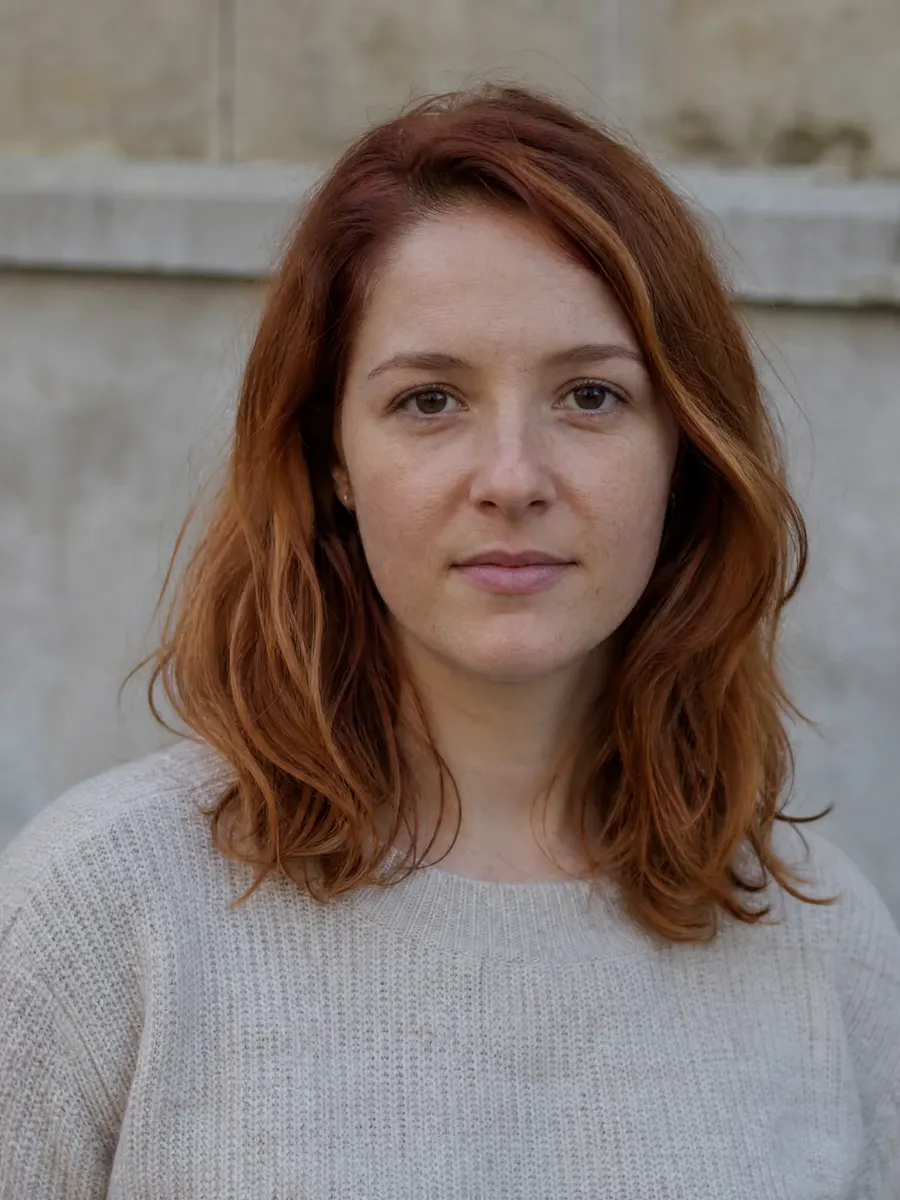 Análisis de ejemplo
Guía
What is the PSL scale?
PSL is a face-rating scale that came out of online “looksmaxxing” forums (looksmaxxing means working to improve your appearance). The letters come from three of those forums: PuaHate, SlutHate and Lookism. It runs from about 1 to 8, where 4 is read as an average face and the top levels are meant to be model or celebrity level.
It is a community convention, not a standard. No institution defines it, the number of levels and the names of the tiers differ from forum to forum, and the web tools that give you a “PSL score” each invent their own weights. Read any PSL number, including this one, as a rough shorthand and not as a measurement of anything real.
PSL levels and slang, in plain words
Forums disagree on the details, so treat this as the loose, common reading and not a rulebook. This tool never puts a tier name on your result: it gives a number and shows how it was made.
- Around 4: average
- An ordinary, unremarkable face, in the middle of the scale. Most people sit here or close to it. Forums call the area around it “mid-tier normie” (MTN).
- Around 5: above average
- A face people tend to notice as good-looking. The slang is “high-tier normie” (HTN). Below it, “low-tier normie” (LTN) and “Sub5” mean below the middle.
- 6 and up: rare
- Forums use “Chad” for the 6 to 7 range and labels such as “Adam” and “True Adam” for the very top, which is mostly theoretical. Almost nobody is rated here, and no photo tool can show it.
- Terms you will see
- Canthal tilt: the angle of the line through the inner and outer corner of an eye (a “positive” tilt means the outer corner sits higher). Dimorphism: how masculine or feminine the face’s structure reads. Harmony: how well proportions balance. Looksmaxxing: working to improve your looks.
How this PSL estimate is made
Google’s MediaPipe Face Landmarker finds 478 points on your face inside your browser. We measure four things from them: how evenly the two sides mirror across the midline (after levelling a tilted head), how the visible face splits into thirds, how its width splits into fifths, and its length-to-width ratio. Each is scored by how close it is to the typical value of a reference set of 1,088 level, frontal photos from a public face dataset, and the four are combined into a 0–100 face-map score.
The face-map score is then converted to the PSL scale by a simple, fixed rule: the reference set’s typical photo is placed at 4, the scale’s usual “average”, and the result is rounded to the nearest half point. It stops at 6. That cap is deliberate: proportions are only part of what PSL forums weigh, and a photo’s proportions cannot show the rest.
- 1. Add a front-facing photo
- Level head, relaxed expression, soft even light, camera at eye level. A tilted or turned head changes the measurements.
- 2. Your browser measures it
- About a second, with no upload and no account. The lines on your photo show what was measured.
- 3. Read the estimate with its limits
- You get a half-point number, the four measurements behind it and a note on what the number leaves out.
What this estimate leaves out
This is a harmony estimate: proportions and mirror balance only. A full PSL discussion also covers things a single front photo of proportions cannot measure.
- Dimorphism and bone structure
- How the jaw, brow and cheekbones read in profile and in three dimensions. A front photo flattens them.
- Skin, hair and grooming
- Tone, texture, hairline and styling, all of which change with light and with a haircut.
- Eyes and expression
- Eye colour, eyelid shape and the life in a face. These matter to real viewers and do not survive a geometry score.
- Photo conditions
- A close wide-angle selfie stretches the middle of the face, and a tilted head fakes asymmetry. Two photos of the same person can land half a point apart or more.
Is PSL scientific?
No. The scale itself has no scientific basis. What research does show is narrower and weaker than forum claims: more symmetric and more average-looking faces tend to be rated as more attractive, but the effects are modest and vary between studies (Rhodes, 2006), and skin and health cues matter too (Little, 2014). Attractiveness in real life also depends on expression, voice, movement and who is looking.
So a PSL number can be a fun benchmark for photo geometry, and a way to compare two photos of yourself under the same conditions. It is not a measure of how attractive you are, and it is certainly not a measure of your worth.
Tips for a fair reading
- Face the camera
- A turned head changes every measurement. Look straight at the lens with your chin level.
- Camera at eye level, 2x lens
- Hold it at arm’s length and use the 2x lens: close wide-angle selfies stretch the face.
- Soft, even light and no filters
- Face a window. Beauty filters reshape the face, so you would be measuring the filter.
- Compare like with like
- Keep the camera, distance and expression the same and change one thing at a time, so a different number has a reason.
If a number is getting to you
A PSL score from one photo is feedback on one photo. If checking it makes you feel worse, close the tab. People who spend a lot of time rating their faces often report feeling worse about them, and if that is you, talking to someone you trust, or to a professional, is a better use of the time than another measurement.
Qué importa
- Harmony
- How the features work together: thirds, fifths and length to width.
- Features
- Eye area, brows, nose, lips, cheekbones, jaw and chin.
- Dimorphism
- How strongly the features read as typical for the presented gender.
- Skin, hair and grooming
- Clarity, hair and grooming: the part the person can change.
References
- Rhodes, G. (2006). The evolutionary psychology of facial beauty. Annual Review of Psychology, 57, 199–226.
- Little, A. C. (2014). Facial attractiveness. WIREs Cognitive Science, 5(6), 621–634.
FAQ
Preguntas frecuentes
El Informe Completo
Descubre qué le sienta bien a tu cara y qué hacer después.
Convierte un análisis privado en más de 40 medidas en 7 regiones faciales, consejos de estilo para tu forma de cara y un plan ordenado en torno a tu área de mayor impacto.
01Entiende
Tu perfil de armonía
Mira qué influye en tu resultado en cada región medida.
- Simetría: 91 / 100
- Áurea: 85 / 100
- Tercios: 88 / 100
- Quintos: 89 / 100
- Ojos: 92 / 100
- Mandíbula: 94 / 100
Componente real del informe · datos de ejemplo
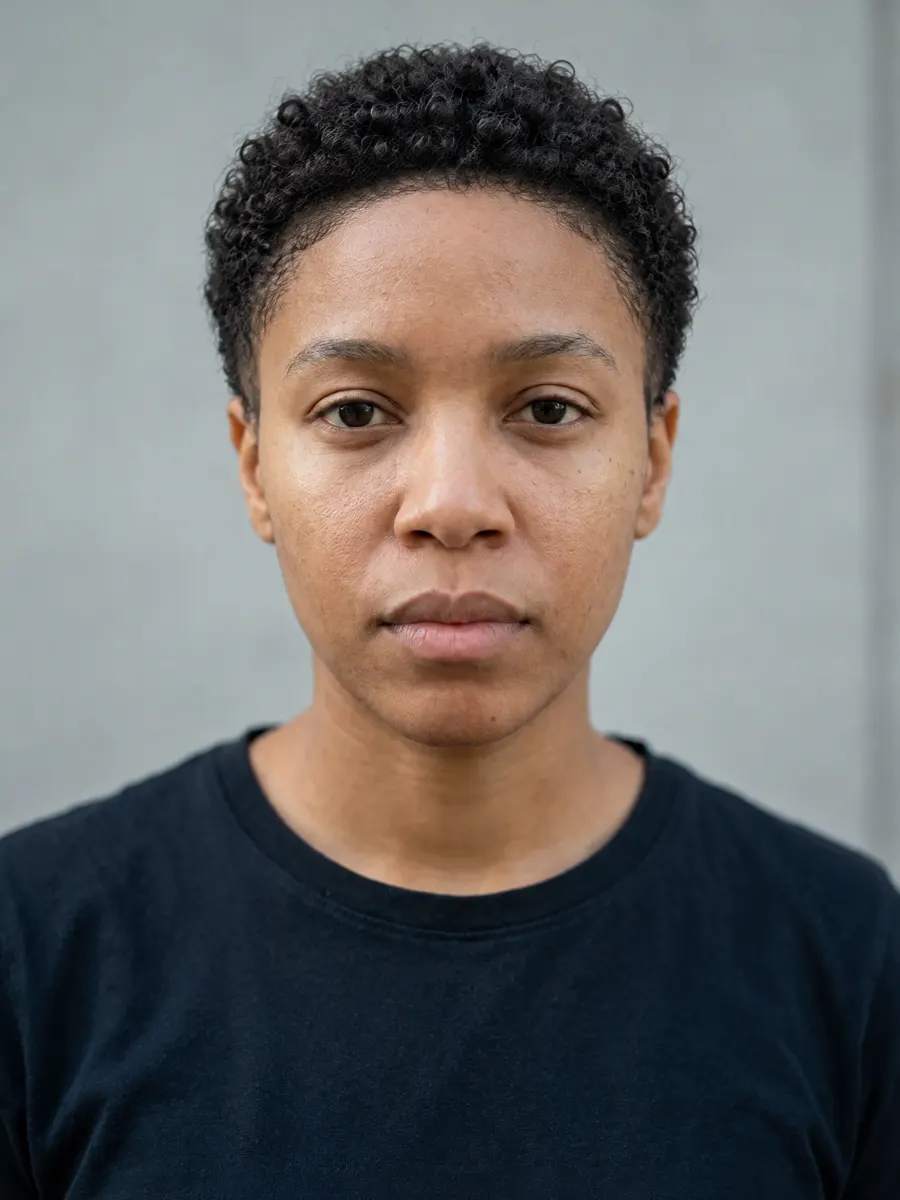
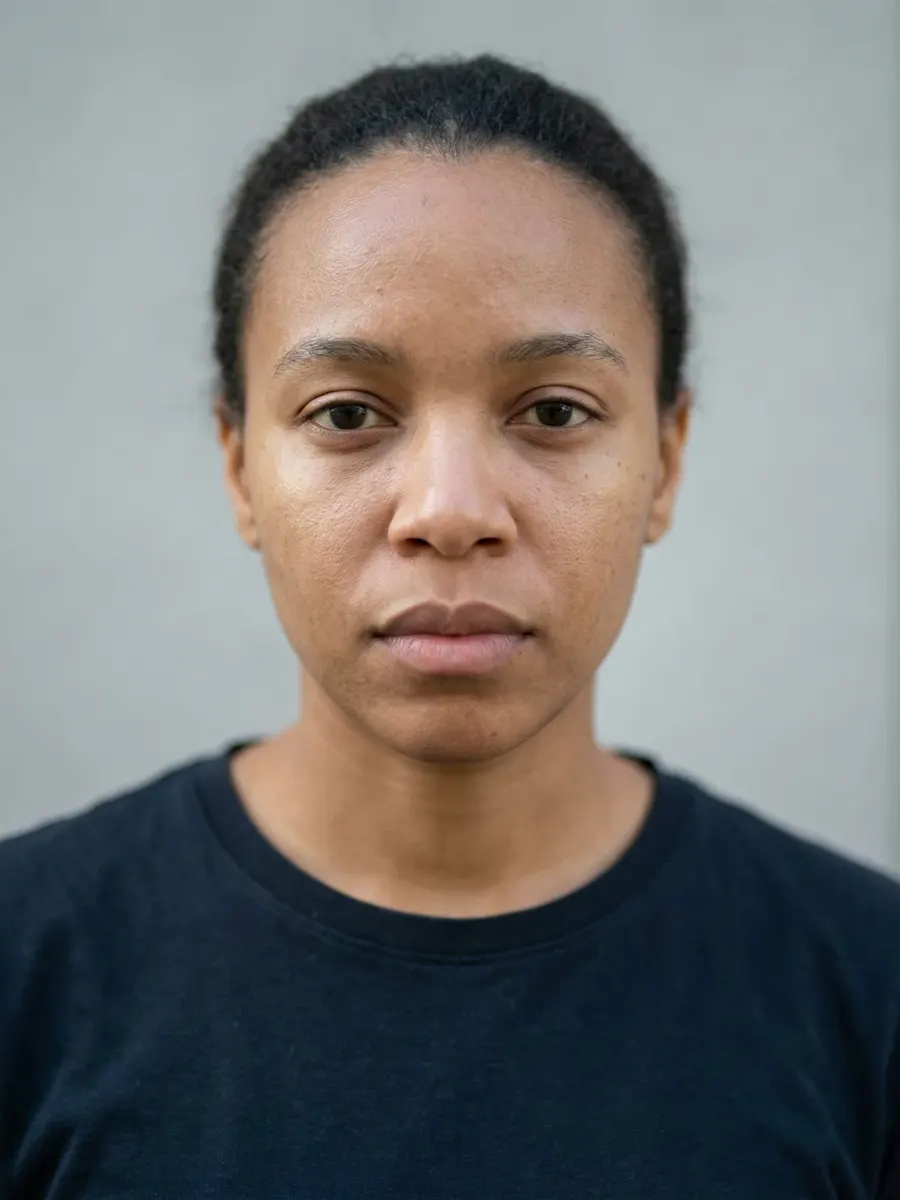
02Visualiza
Tu concepto de estilo
Visualizado en tu propia foto. Solo estilo: nunca un cambio en tus rasgos.
Lectura de rasgos
Cada región leída a partir de tu foto, y un honesto “sin puntuar” cuando una foto de frente no sostiene la conclusión.
- Forma de la cara
- Ovalada92% de coincidencia
- Inclinación de los ojos
- +3.9°ligeramente hacia arriba
- Separación de los ojos
- 0.46del ancho de la cara
- Proyección de la nariz
- Sin puntuarrequiere una foto de perfil
Dónde te sitúas
Tu posición dentro del rango de referencia, no una nota seca sobre 100.
03Actúa
El plan priorizado
Sigue tus primeros pasos priorizados y un plan de cuatro semanas.
Marco de las cejas
Enfocado en la simetría de las cejas
Las colas despobladas cierran el marco antes de tiempo: la puntuación más baja de la región.
Reserva un diseño de cejas profesional dejando las colas en su largo completo.
- Bajo
- $25–60
- 1 día
El cambio visible más rápido del informe, y mejora tu región más fuerte.
Cada recomendación priorizada, con mantenimiento, coste y tiempo hasta el primer resultado visible.
Más tests gratis
478 · x · y · z
¿Listo para ver tu cara medida?
Análisis gratis en segundos. Tu informe completo con plan priorizado y vistas previas con IA cuesta 17,49 US$, un solo pago.