
Gratis · En tu dispositivo · Sin registro
Face Shape Detector: Find Your Face Shape From a Photo
Upload a front-facing photo. Your browser measures your face’s proportions in about a second, then shows which of five shapes (oval, round, square, heart or oblong) it is closest to. The measurement never leaves your device; the AI rating is one more click.
En el análisis gratis, tu foto se queda en tu dispositivo.
- puntos faciales
- 478
- puntos faciales
- fotos de referencia
- 1088
- fotos de referencia
- segundos de análisis, en tu dispositivo
- ~2
- segundos de análisis, en tu dispositivo
- garantía de reembolso
- 7 días
- garantía de reembolso
 Análisis de ejemplo
Guía
How this face shape detector works
Google’s MediaPipe Face Landmarker finds 478 points on your face inside your browser. From them we measure the width of your forehead, cheekbones, jaw and chin and the length of your face, all relative to your cheekbone width. A small statistical model, trained on 2,497 labelled photos, then picks the shape those proportions most resemble.
- 1. Add a front-facing photo
- Level head, hair away from your forehead and jaw, relaxed expression, soft even light.
- 2. Your browser measures it
- About a second, with no upload and no account. The lines on your photo show what was measured.
- 3. See the closest shapes
- You get a ranked list of all five shapes, not a single verdict, plus the measured ratios behind it.
How accurate is it?
We tested it on 300 photos the model had never seen. The shape it ranked first matched the dataset’s label 50% of the time, and the label was among its top two 72% of the time. Guessing would get 20% and 40%.
That is a ceiling set by the question as much as by the maths: people agree on face shape only loosely, and the dataset’s labels are human judgements of celebrity photos. So the result is “closest to”, and when no shape clears 50% you see “between” two shapes instead of a forced answer.
The five face shapes
- Oval
- Balanced proportions: a little longer than wide, a forehead slightly wider than the jaw, and a softly rounded chin.
- Round
- Length and width close to equal, full cheeks, and a soft jaw and chin without strong angles.
- Square
- A forehead, cheekbones and jaw of similar width, with a strong, angular jawline.
- Heart
- A wider forehead and cheekbones that taper to a narrower chin, often more pointed.
- Oblong
- Noticeably longer than wide, with forehead, cheeks and jaw of similar width.
Tips for a fair reading
- Face the camera
- A turned head changes every width. Look straight at the lens with your chin level.
- Hair back
- Hair over the forehead or jaw hides the outline the model follows. Tie it back or tuck it behind your ears.
- Neutral expression
- A big smile or open mouth reshapes the lower face. Relax your jaw.
- Camera at eye level
- Hold it at arm’s length and use the 2x lens: close wide-angle selfies stretch the middle of the face.
- Soft, even light
- Strong shadows along the jaw make the outline harder to find.
- No filters
- Beauty filters reshape the jaw and cheeks, so you would be measuring the filter.
What a face shape result cannot tell you
A face shape is a rough description of an outline, not a rule. Beards, hair, makeup contouring, weight changes and age all alter the outline, and many faces sit between two shapes. A stylist or optician will use it as one starting point alongside your hair, features and taste. It says nothing about attractiveness, and it is not medical or cosmetic advice.
Qué importa
- Shape and proportions
- Face length to width, and the forehead, cheekbone, jaw and chin widths that decide the closest shape.
- Hair framing
- How the cut, length, parting and volume balance the shape or exaggerate it.
- Brows and facial hair
- Whether their shape and weight follow the face shape or fight it.
- Jaw and chin definition
- How the jaw and chin read at this angle and posture.
References
- Rhodes, G. (2006). The evolutionary psychology of facial beauty. Annual Review of Psychology, 57, 199–226.
FAQ
Preguntas frecuentes
El Informe Completo
Descubre qué le sienta bien a tu cara y qué hacer después.
Convierte un análisis privado en más de 40 medidas en 7 regiones faciales, consejos de estilo para tu forma de cara y un plan ordenado en torno a tu área de mayor impacto.
01Entiende
Tu perfil de armonía
Mira qué influye en tu resultado en cada región medida.
- Simetría: 91 / 100
- Áurea: 85 / 100
- Tercios: 88 / 100
- Quintos: 89 / 100
- Ojos: 92 / 100
- Mandíbula: 94 / 100
Componente real del informe · datos de ejemplo
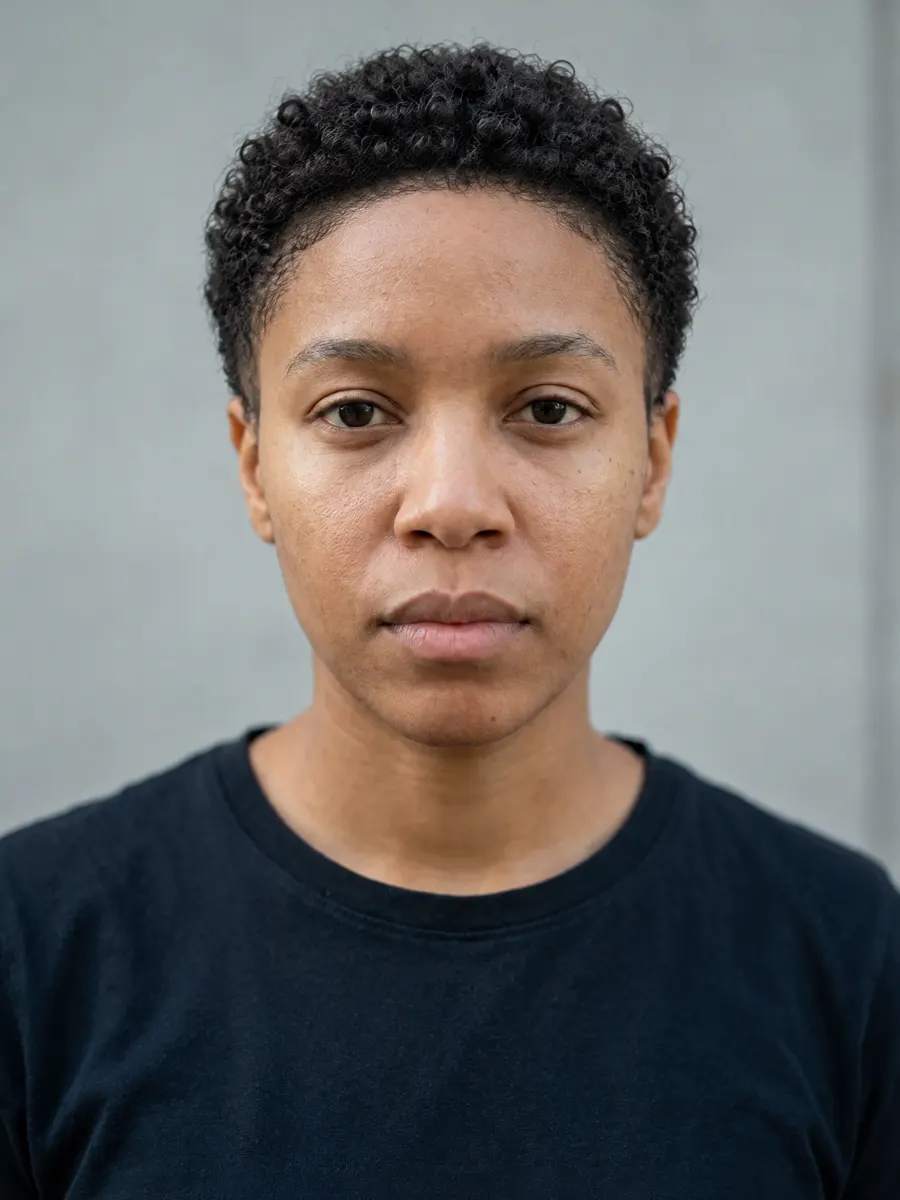
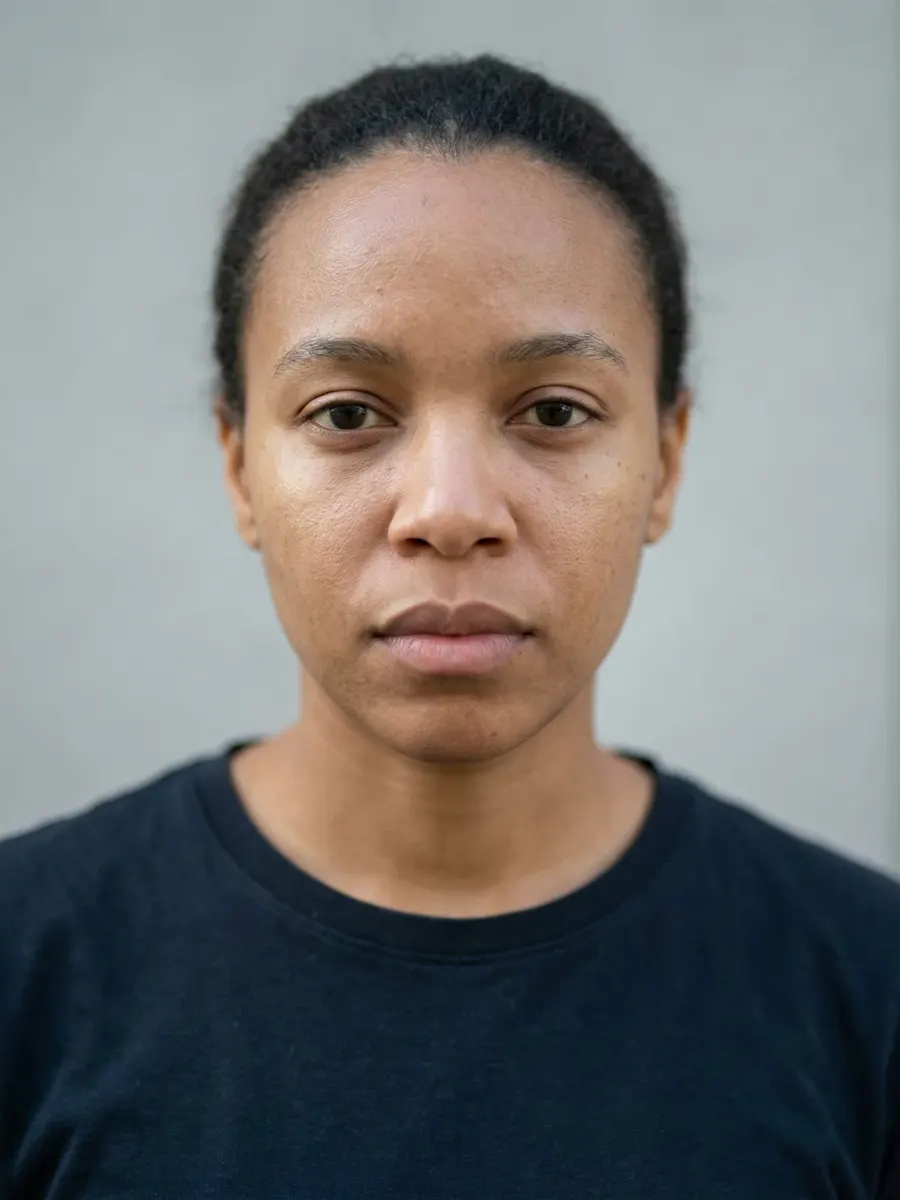
02Visualiza
Tu concepto de estilo
Visualizado en tu propia foto. Solo estilo: nunca un cambio en tus rasgos.
Lectura de rasgos
Cada región leída a partir de tu foto, y un honesto “sin puntuar” cuando una foto de frente no sostiene la conclusión.
- Forma de la cara
- Ovalada92% de coincidencia
- Inclinación de los ojos
- +3.9°ligeramente hacia arriba
- Separación de los ojos
- 0.46del ancho de la cara
- Proyección de la nariz
- Sin puntuarrequiere una foto de perfil
Dónde te sitúas
Tu posición dentro del rango de referencia, no una nota seca sobre 100.
03Actúa
El plan priorizado
Sigue tus primeros pasos priorizados y un plan de cuatro semanas.
Marco de las cejas
Enfocado en la simetría de las cejas
Las colas despobladas cierran el marco antes de tiempo: la puntuación más baja de la región.
Reserva un diseño de cejas profesional dejando las colas en su largo completo.
- Bajo
- $25–60
- 1 día
El cambio visible más rápido del informe, y mejora tu región más fuerte.
Cada recomendación priorizada, con mantenimiento, coste y tiempo hasta el primer resultado visible.
Más tests gratis
478 · x · y · z
¿Listo para ver tu cara medida?
Análisis gratis en segundos. Tu informe completo con plan priorizado y vistas previas con IA cuesta 17,49 US$, un solo pago.